Brand Signal
We look at the current site, collateral, sales materials, and visual identity to find where trust is leaking.
A mature jet engine maintenance brand needed its 20th-anniversary identity, event collateral, web assets, and marketing materials to feel as precise and established as the work behind the hangar doors.
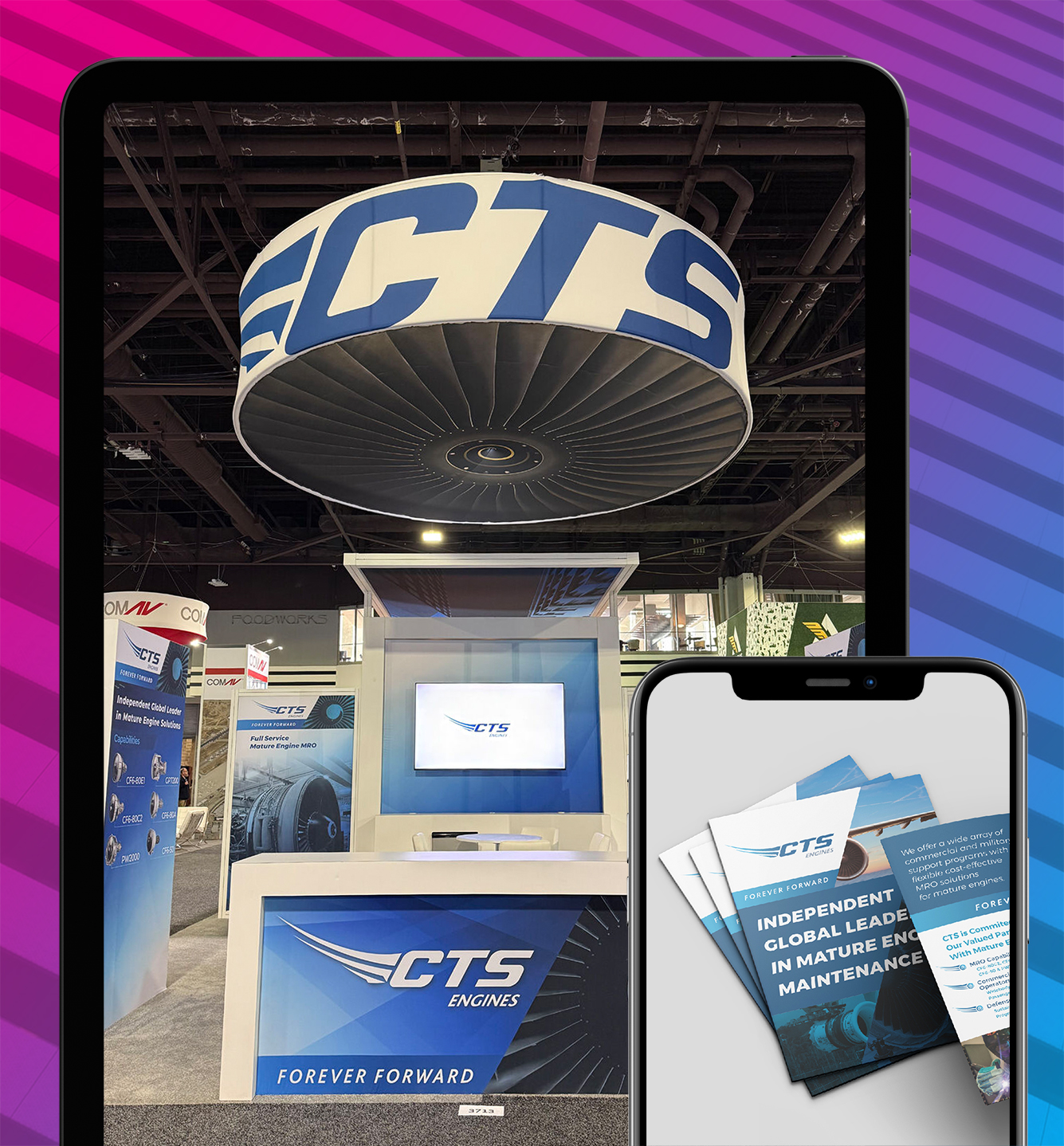
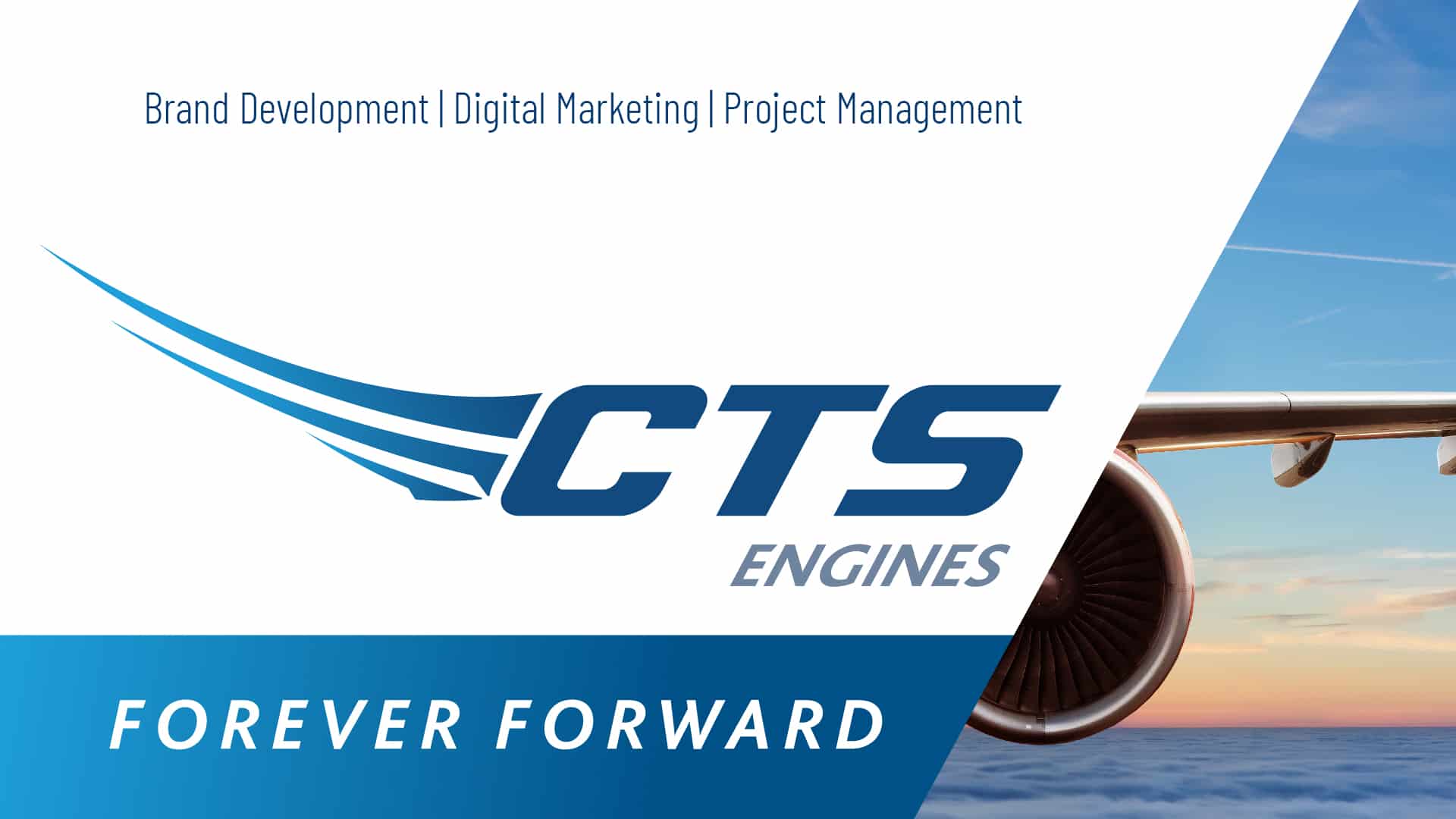
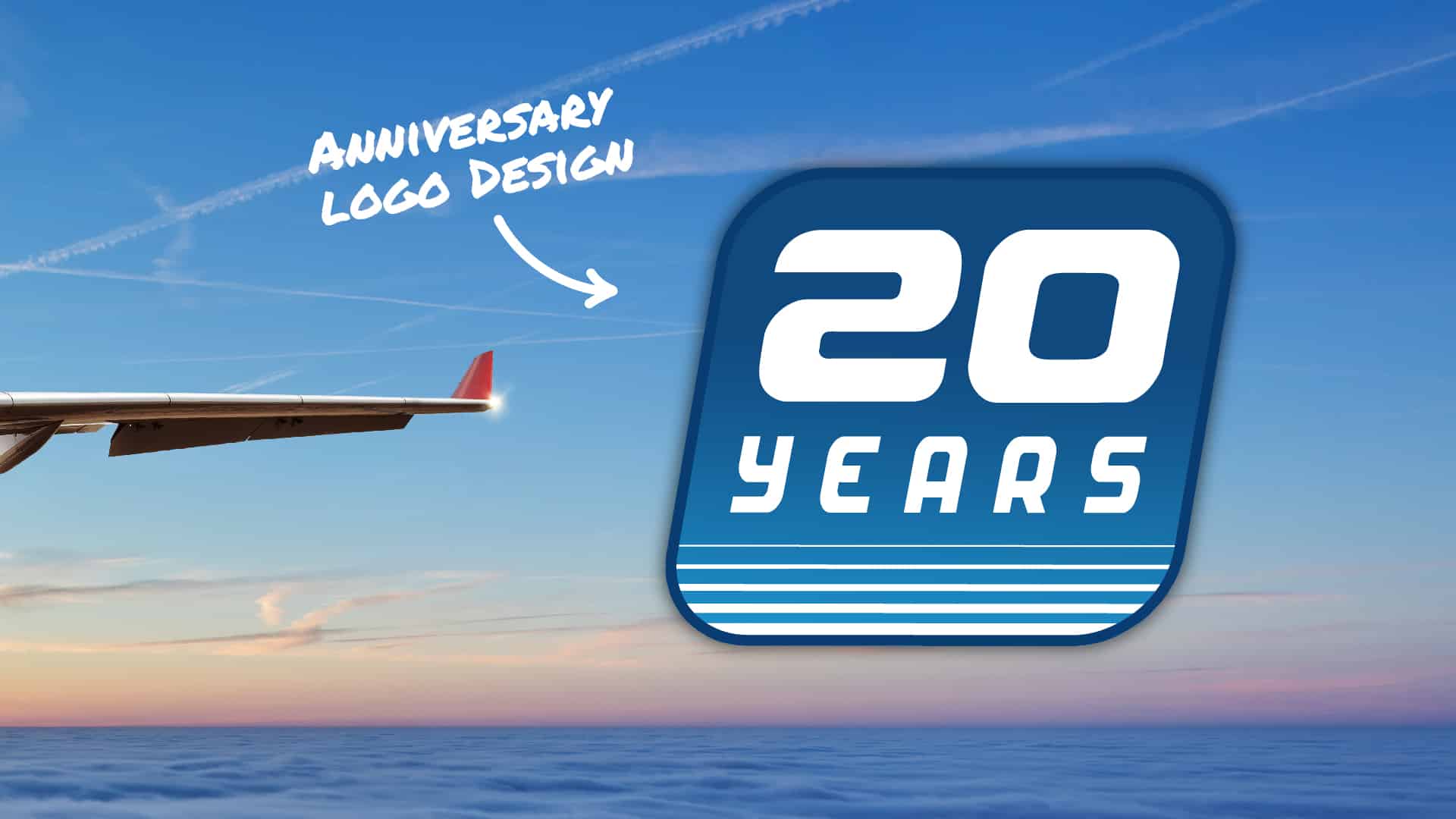
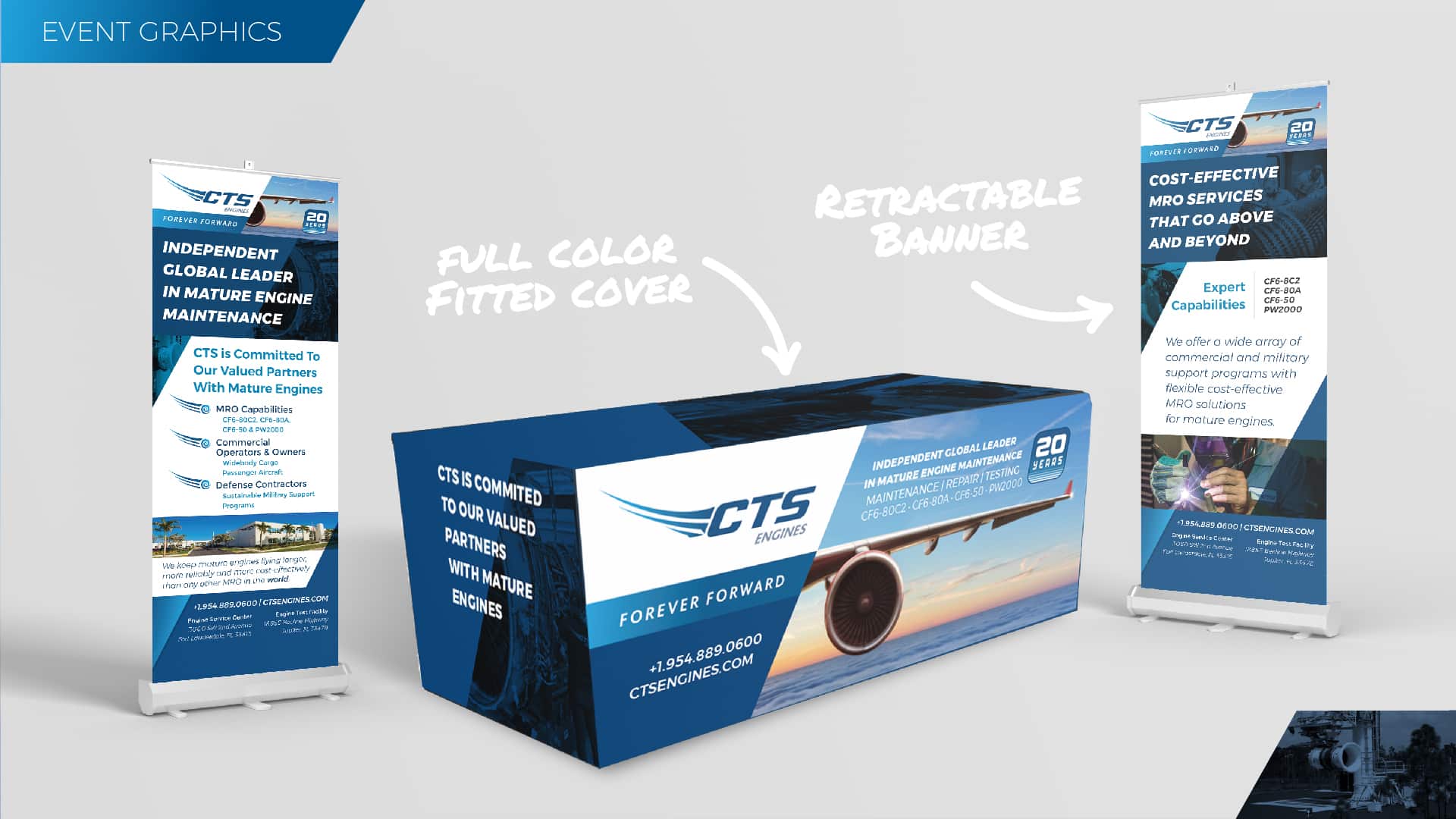
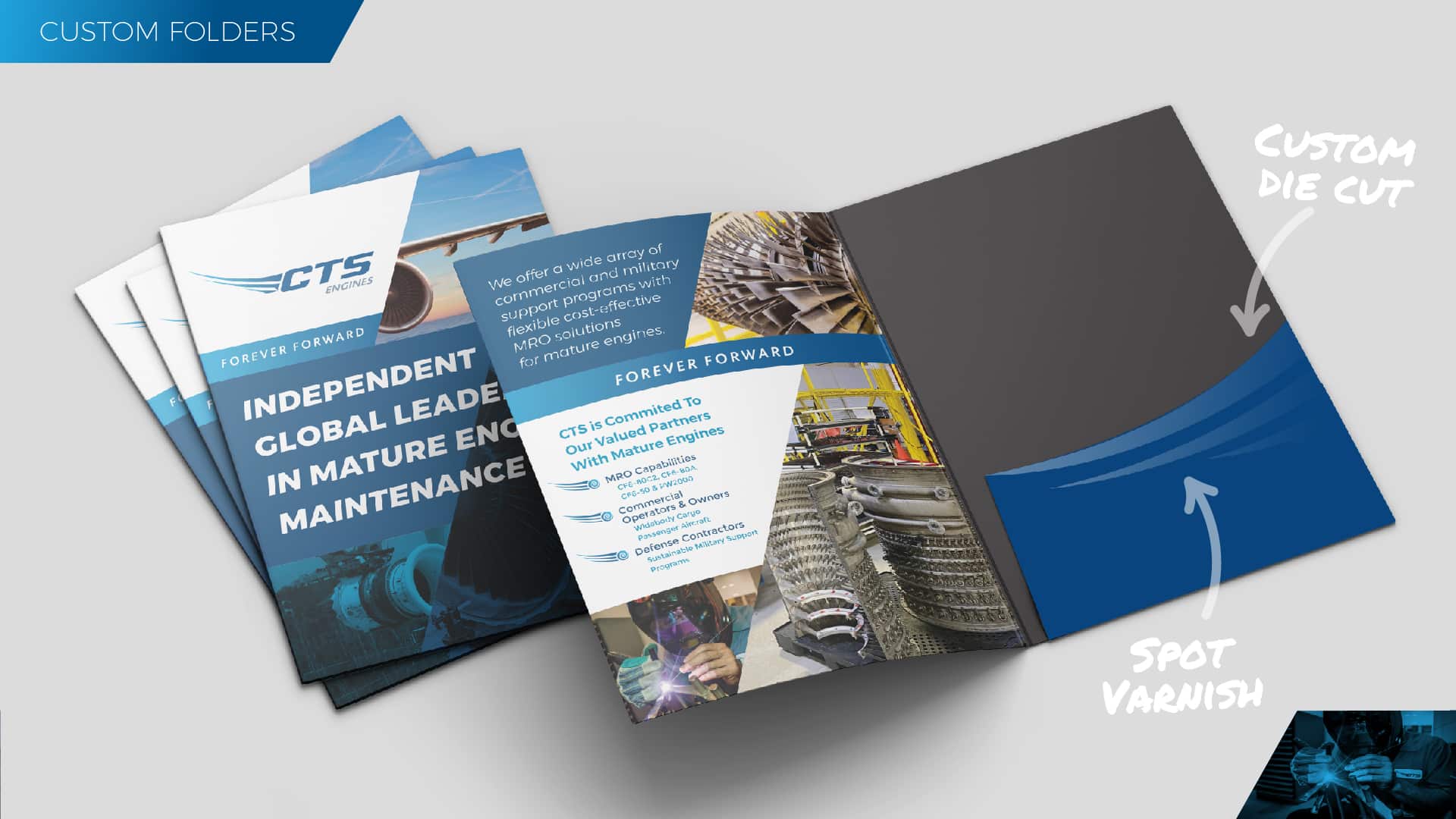
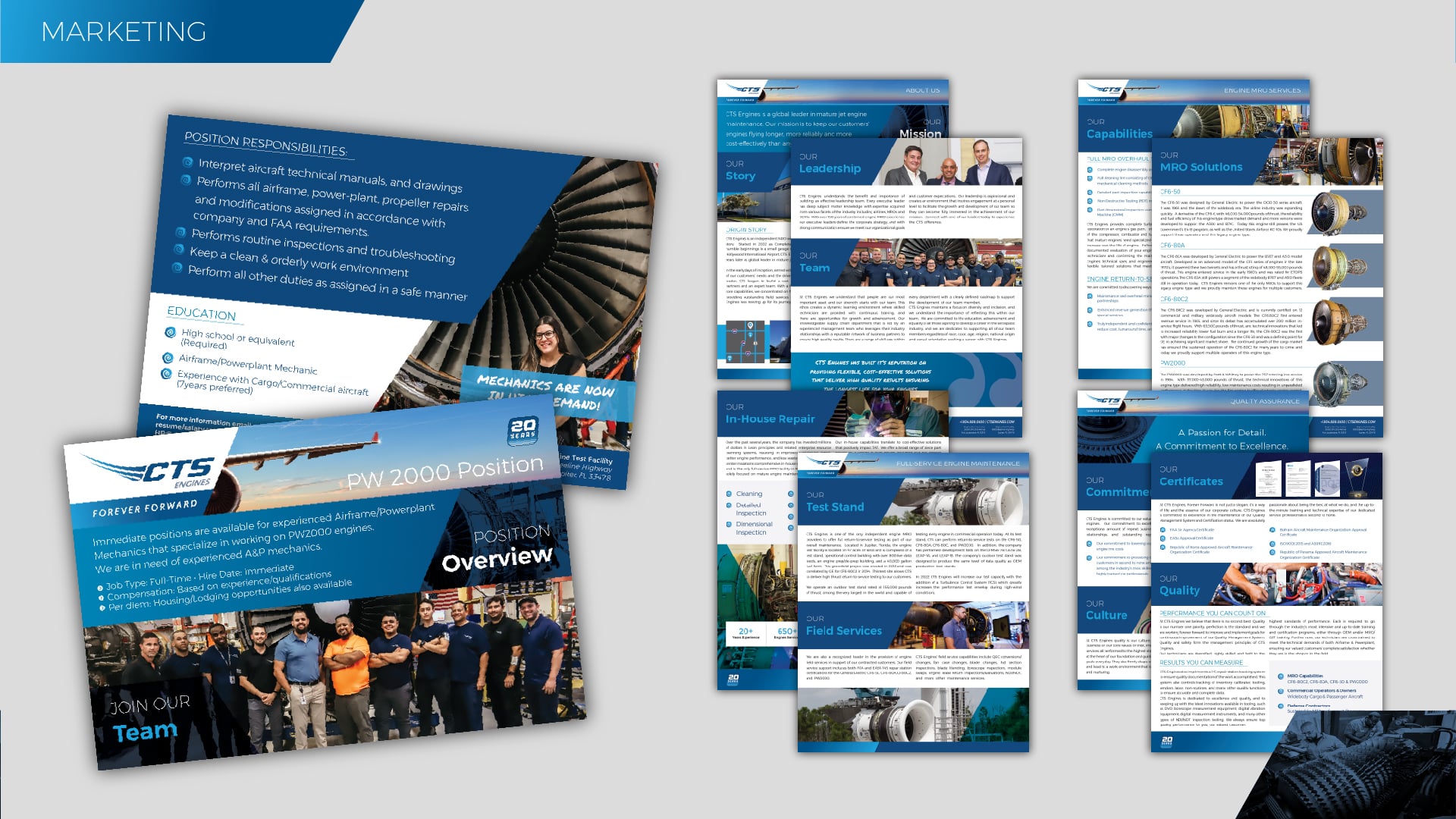
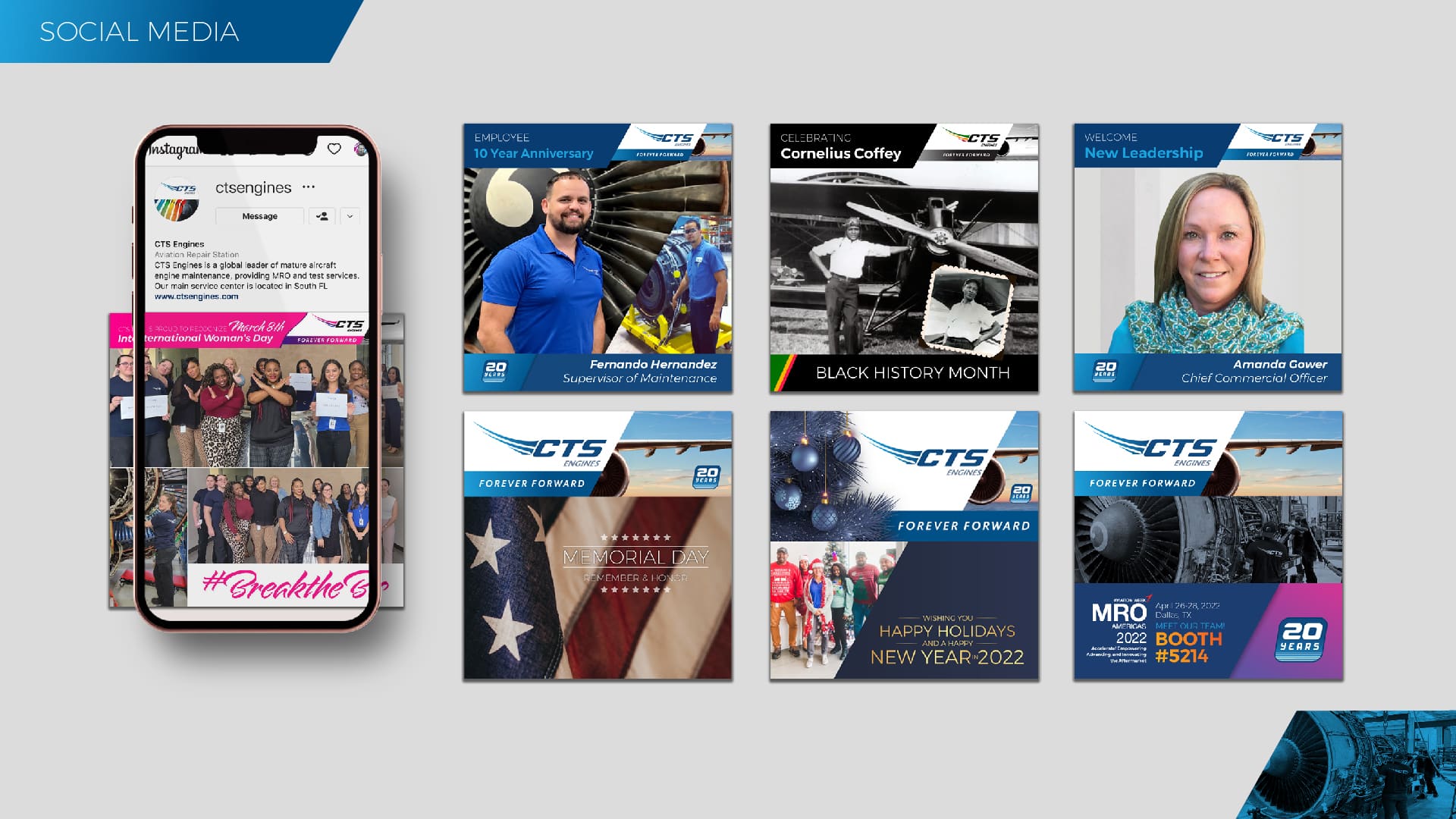
This aerospace branding case study shows how CTS Engines, a mature jet engine maintenance and MRO provider, expanded its visual identity for a major 20th-anniversary event without losing the equity of its established brand. Envisionary Design created the anniversary logo system, expanded palette, booth graphics, print collateral, web assets, HR materials, and ongoing social media support so the brand could show up consistently across sales, recruiting, events, and digital channels.
This case study needed to make the business situation clear before asking the viewer to care about the design. The page has to show what was being solved, why the work mattered, and how the brand, website, campaign, or system helped the client look more credible.
The proof angle is simple: CTS Engines needed a more useful public-facing system, not a decorative one-off. The work had to support trust, clarity, and a cleaner path to the next business conversation.
The page connects visual presentation with practical business use. It gives the viewer enough context to understand the category, the buyer signal, the creative direction, and the reason this project belongs in the Envisionary proof library.
CTS Engines is a global leader in mature commercial and military jet engine maintenance. The company grew from a small garage near Fort Lauderdale-Hollywood International Airport into a serious MRO provider with specialized engine capabilities, a larger facility, and a reputation built on quality, reliability, safety, and flexibility.
For its 20th-anniversary event, CTS needed more than a commemorative mark. The brand needed a flexible identity system that could support booth graphics, retractable banners, flyers, web images, social media, print and web advertising, email signatures, and HR recruiting collateral while still feeling unmistakably like CTS Engines.
Working as fractional Creative Director, I collaborated with the VP of Sales to lead both creative development and project management. The core move was to respect the established CTS identity while creating more range for marketing, event, HR, and digital use.
The logo structure was refined by placing the mark to the left of the wing and using a diagonal line that echoed the slant of the CTS typeface. That small structural decision created a stronger foundation for the broader aerospace brand identity system: cleaner lockups, sharper event collateral, and a visual language that could scale across print, booth, web, and social assets.
The outcome was a more contemporary, cohesive brand presence that connected CTS Engines' growth story to its current position in the aviation industry. The 20th-anniversary materials created a stronger event presence, while the expanded collateral system gave the internal team a more consistent way to show up across sales, recruiting, web, and social channels.
| Need | Creative Response | Business Use |
|---|---|---|
| Milestone anniversary identity | Created a dedicated 20th-anniversary logo and visual system. | Helped CTS mark its growth from local garage to established MRO provider. |
| Event and sales presence | Built booth graphics, retractable banners, flyers, and printed table materials. | Gave the team a professional event system for aviation industry conversations. |
| Digital marketing consistency | Produced web images, print/web ads, email signature assets, and social media support. | Extended the aerospace branding system beyond the event into day-to-day marketing. |
| Recruiting and HR support | Created collateral that helped communicate the company story to technicians and candidates. | Supported ongoing technician recruitment with more polished brand materials. |
Aviation and industrial brands do not win trust from one polished logo file. They win it through repeated, consistent signals: the first website visit, the sales conversation, the trade show booth, the recruiting material, the email signature, and the follow-up touchpoint after a meeting.
| Touchpoint | What Had To Work | Why It Mattered |
|---|---|---|
| Event presence | Booth graphics, banners, flyers, and table materials needed to look established in a high-trust aviation environment. | The sales team needed a visual system that could support serious conversations in person. |
| Digital marketing | Web images, ads, social assets, and email graphics needed to feel connected instead of pieced together. | Consistency made the company easier to recognize across everyday marketing channels. |
| Recruiting support | HR collateral needed to communicate the company story with the same credibility as the sales materials. | Technical hiring depends on confidence, clarity, and a brand that feels stable. |
| Leadership alignment | The work had to respect the existing CTS identity while giving the team more range for new use cases. | The strongest brand systems evolve without making the company unrecognizable. |
We look at the current site, collateral, sales materials, and visual identity to find where trust is leaking.
We identify what prospects, recruits, partners, and internal teams actually see before they trust the company.
We separate urgent visual gaps from deeper brand-system work so the next move is practical.
We turn the plan into landing pages, collateral, campaigns, event assets, or a broader brand identity system.
Bring the current brand, website, or sales material. We will look at where trust is strongest, where the brand feels thin, and what would make the next sales push, hiring effort, or trade event feel more credible.
In aerospace branding, trust is carried through details. The brand has to feel established, technical, precise, and easy to recognize whether someone sees it on a booth wall, a recruiting piece, a web ad, or a social media post.
The CTS Engines project is a clear example of why fractional creative direction matters for B2B and industrial brands. The work was not one isolated design file. It was a connected identity and collateral system that helped the company communicate its maturity, anniversary story, and industry credibility across multiple channels.
This case study is here because CTS Engines shows how brand / website system has to support a real business situation: a specific buyer, a specific trust problem, and a specific reason to take the next step.
The useful read is whether the work reduces doubt, clarifies the offer, and makes the company easier to choose.
The project has to make the category and business signal easier to understand before a prospect starts comparing alternatives.
The page, brand, or campaign system has to organize proof in a way that helps the viewer move from curiosity to confidence.
The work should make the next step feel natural, whether that is a call, inquiry, consultation, signup, or deeper review of the offer.
Open the questions below for the practical details, fit, and next-step context.
Aerospace branding is the identity, messaging, collateral, and digital system that helps aviation, aerospace, MRO, and defense-related companies communicate technical credibility. It has to work across the website, sales decks, recruiting materials, events, signage, ads, and day-to-day marketing.
The project connected a 20th-anniversary identity, booth graphics, banners, flyers, web assets, ads, email signatures, HR collateral, and social support into one coherent system. That is the difference between a logo exercise and a real aerospace branding program.
Aviation, manufacturing, industrial, technical, or B2B companies are a strong fit when the work is credible but the public-facing brand feels outdated, fragmented, or too generic for the level of trust the company needs to earn.
Yes. The review can lead into a focused landing page, case study page, service page, collateral package, or a broader static HTML site build with stronger proof, clearer positioning, and a better path to the first conversation.
Bring your idea, current project, or agency brief. We’ll talk through what you need, what’s holding it up, your timing, and where I can help. If we’re a fit, we’ll agree on the next step.