Clarify the offer
Define the buyer, page promise, proof points, objections, and primary call action.
I design and build business websites, landing pages, and interactive experiences—from content and interface design to forms, booking, payments, and launch.
Work directly with me on the content, design, development, and launch. We agree on the pages, features, integrations, and review points before the build starts.
A visitor needs to know what you do, who you help, and what they should do next. The content, navigation, examples, and booking path need to answer those questions together.
For Fort Lauderdale service companies, B2B teams, and founder-led brands, the goal is not a prettier brochure. It is a sharper sales asset with clearer positioning, stronger case-study proof, and a direct path to a discovery call.
| Area | What It Covers |
|---|---|
| Buyer clarity | Offer, audience, proof, objections, and next step shaped so the page answers what a qualified buyer needs before they call. |
| Proof architecture | DNL Builders, Portalais, CTS Engines, and other relevant case-study links placed where trust needs support. |
| Lead path | Discovery call CTA, form step, calendar step, and thank-you page route. |
| SEO backend | Metadata, OG/Twitter cards, Service schema, FAQ schema, image attributes, sitemap-ready URL, and AI-readable page structure. |
Define the buyer, page promise, proof points, objections, and primary call action.
Write and design the static HTML page around scannable sections and a clear conversion path.
Link the page to the right case studies so the visitor sees real work before booking.
Add technical SEO, schema, tracking hooks, and launch-ready discovery files.
| Signal | Read |
|---|---|
| Best fit | Established service companies, B2B brands, consultants, and founder-led teams with real proof but weak pages. |
| Not the fit | Cheap template swaps, empty brochure sites, or projects with no offer, proof, or decision-maker. |
| Primary action | Book a discovery call after the page makes the business case. |
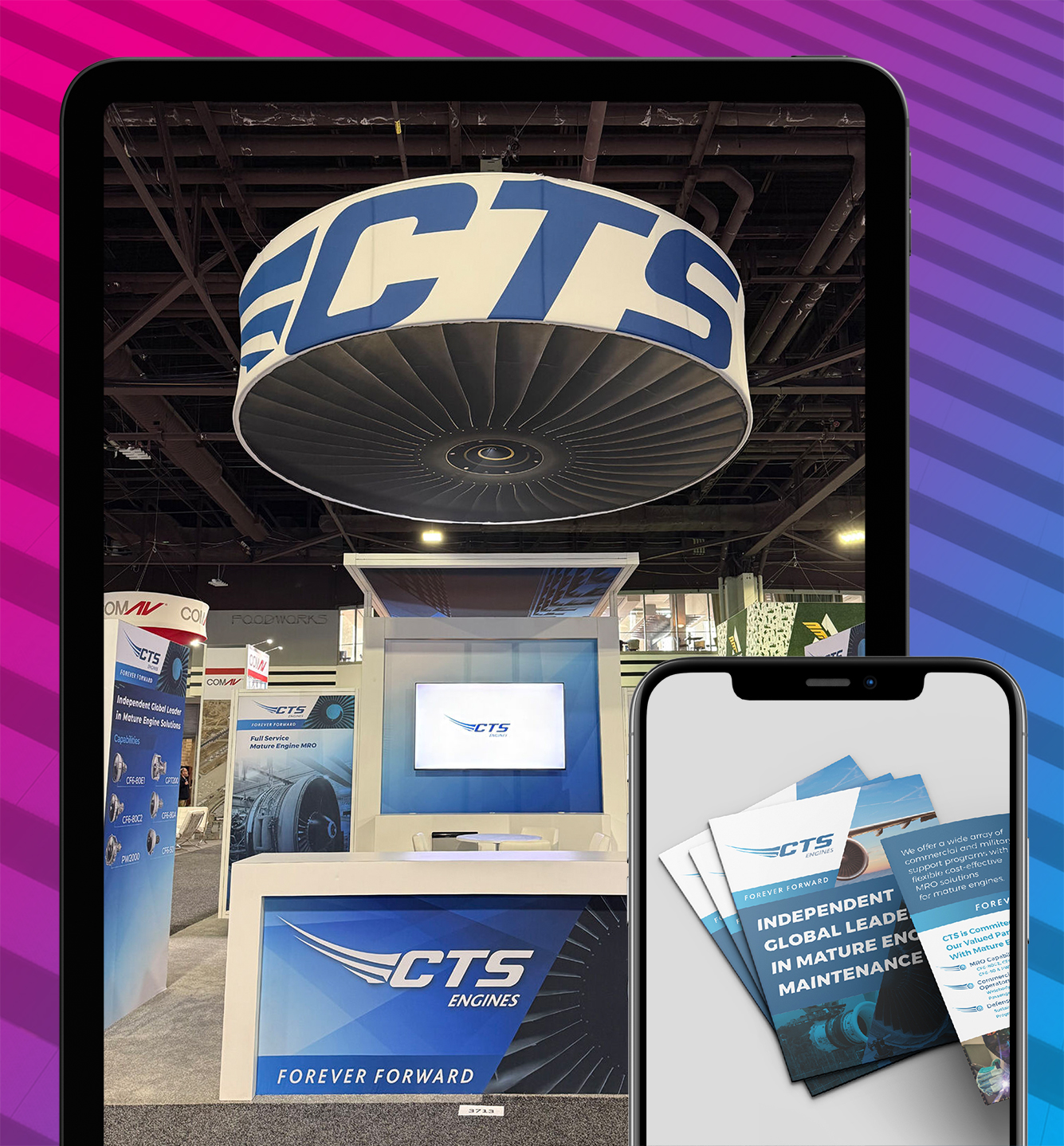 Aerospace branding
CTS Engines
A mature aviation brand system expanded across event, HR, web, print, and ongoing marketing support.
Aerospace branding
CTS Engines
A mature aviation brand system expanded across event, HR, web, print, and ongoing marketing support.
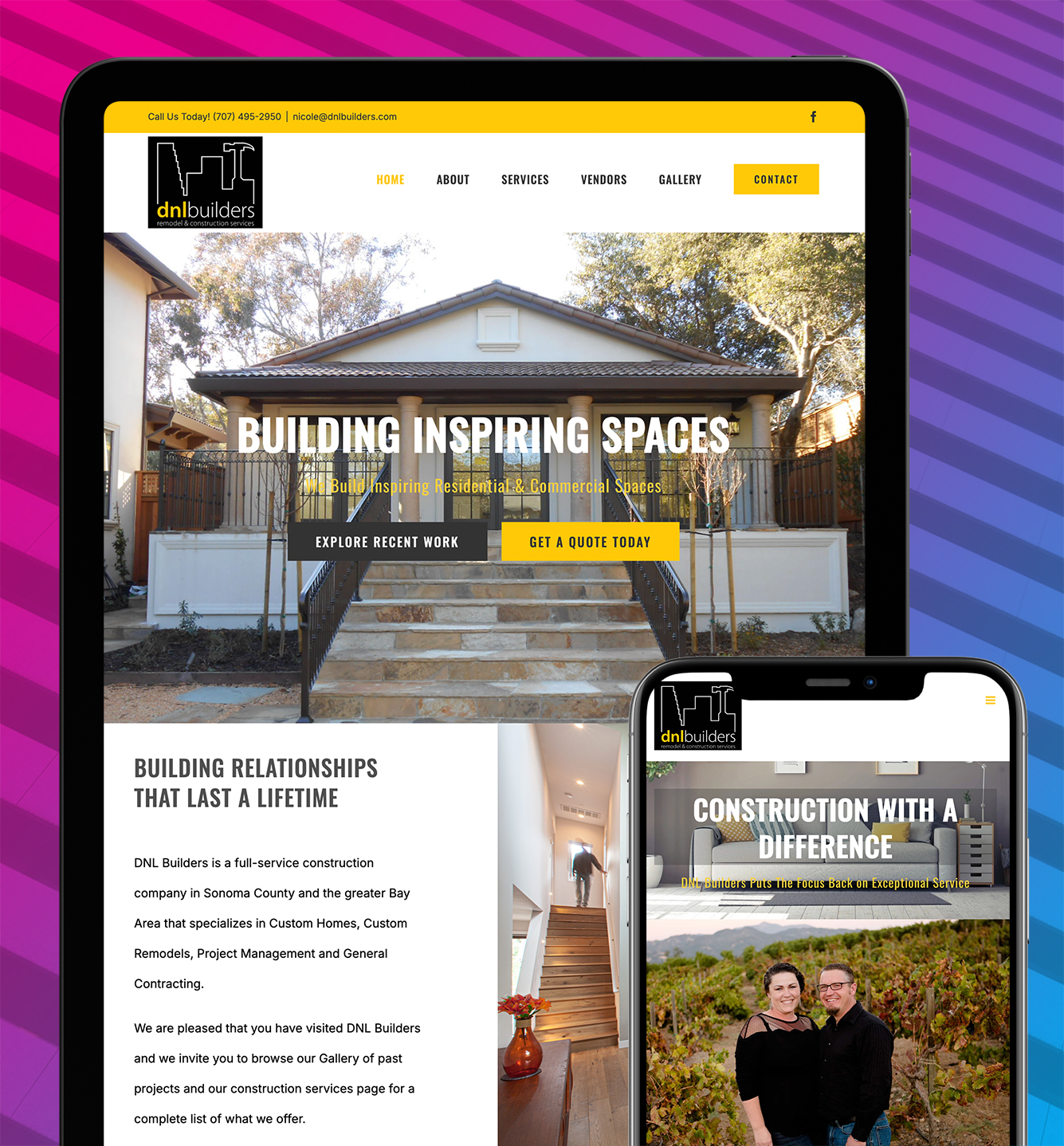 Construction website
DNL Builders
Home-services website proof for a construction company that needed stronger positioning and trust.
Construction website
DNL Builders
Home-services website proof for a construction company that needed stronger positioning and trust.
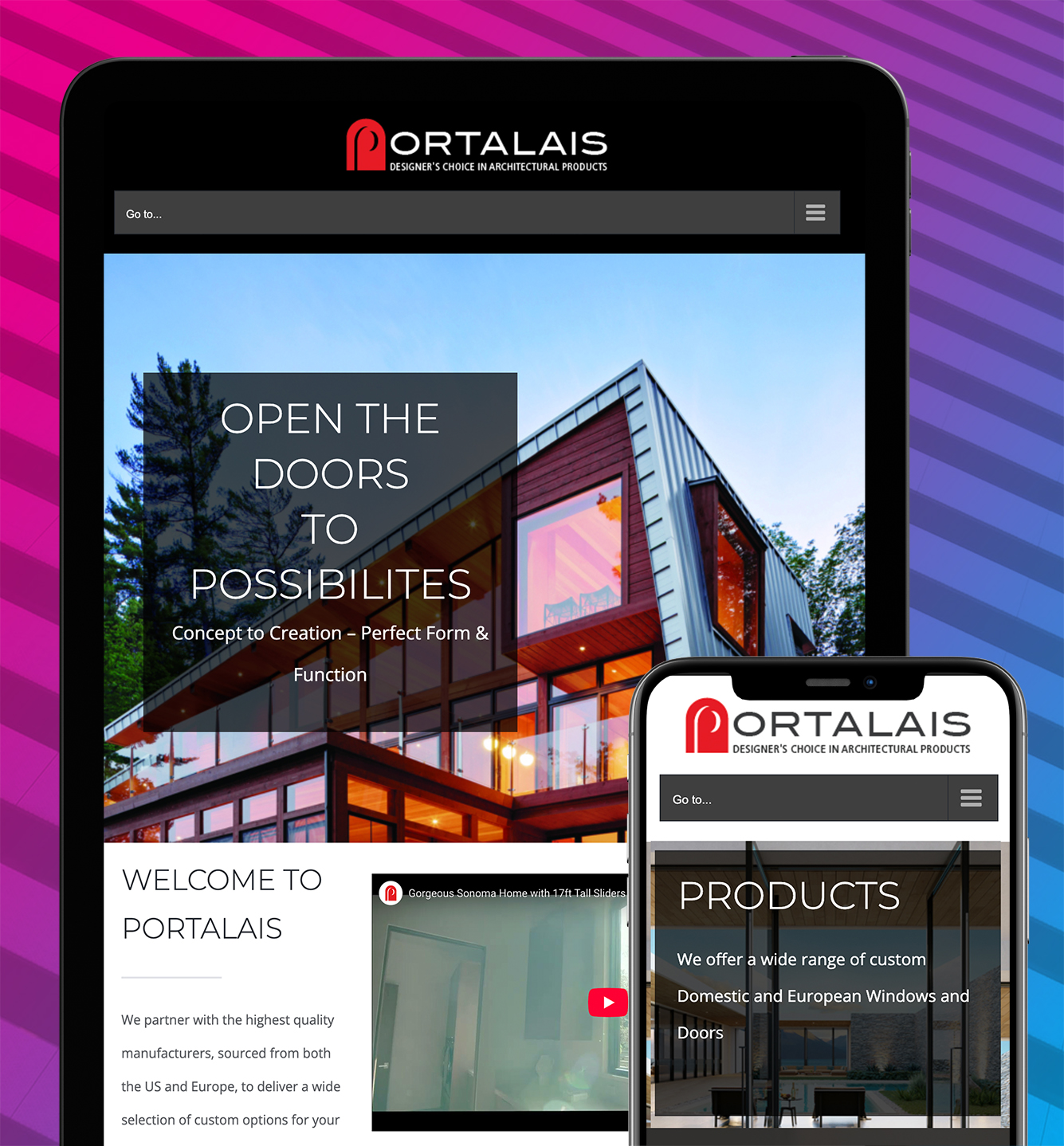 Luxury home services
Portalais
A refined home-products brand presence built for a higher-consideration buyer.
Luxury home services
Portalais
A refined home-products brand presence built for a higher-consideration buyer.
A normal web design project often starts with layout. This starts with buyer clarity: offer, proof, service structure, internal links, calls to action, and the words a qualified buyer needs before booking a call.
Yes. If the current structure is usable, the page can be rebuilt in sections. If the structure is fighting the business, a clean static page is usually faster.
Clear positioning, visible proof, specific service sections, strong internal links, direct calls to action, and answers to the questions buyers already have.
Use proof that lowers buyer risk: case studies, before-and-after clarity, client category experience, process details, and clear next steps. Avoid vague claims that could fit any agency.
No. Envisionary Design is based around Fort Lauderdale local search, but the work supports founder-led companies, B2B teams, service businesses, and marketing teams beyond South Florida.
Yes. The page should link directly to relevant proof such as DNL Builders, Portalais, and CTS Engines, using descriptive anchor text instead of vague read-more links.
Yes. Each page should include title, description, canonical, robots, OG tags, Twitter card tags, schema, image attributes, and internal links.
Yes. Website design, graphic design, branding, logo redesign, fractional creative direction, and AI business systems can each get dedicated pages.
Enough for a serious buyer to believe the claim. That usually means numbers, screenshots, client examples, project context, and related case-study links.
Start with a discovery call so the page can be tied to a real business goal, not just a design preference.
Bring your idea, current project, or agency brief. We’ll talk through what you need, what’s holding it up, your timing, and where I can help. If we’re a fit, we’ll agree on the next step.